
Keeping Our Patients Safe - Adults Safeguarding
Our commitment
Adults have the right to live safely, free from abuse and neglect.
At RJAH, we are committed to protecting adults who may be at risk of harm and promoting their safety, dignity and wellbeing. We work with patients, families, carers and other organisations to prevent abuse and neglect, respond appropriately to concerns and ensure that the adult’s views, wishes, feelings and beliefs are considered when decisions are made.
This is known as Making Safeguarding Personal. It means that safeguarding should be person-led and focused on the outcomes that matter to the individual.
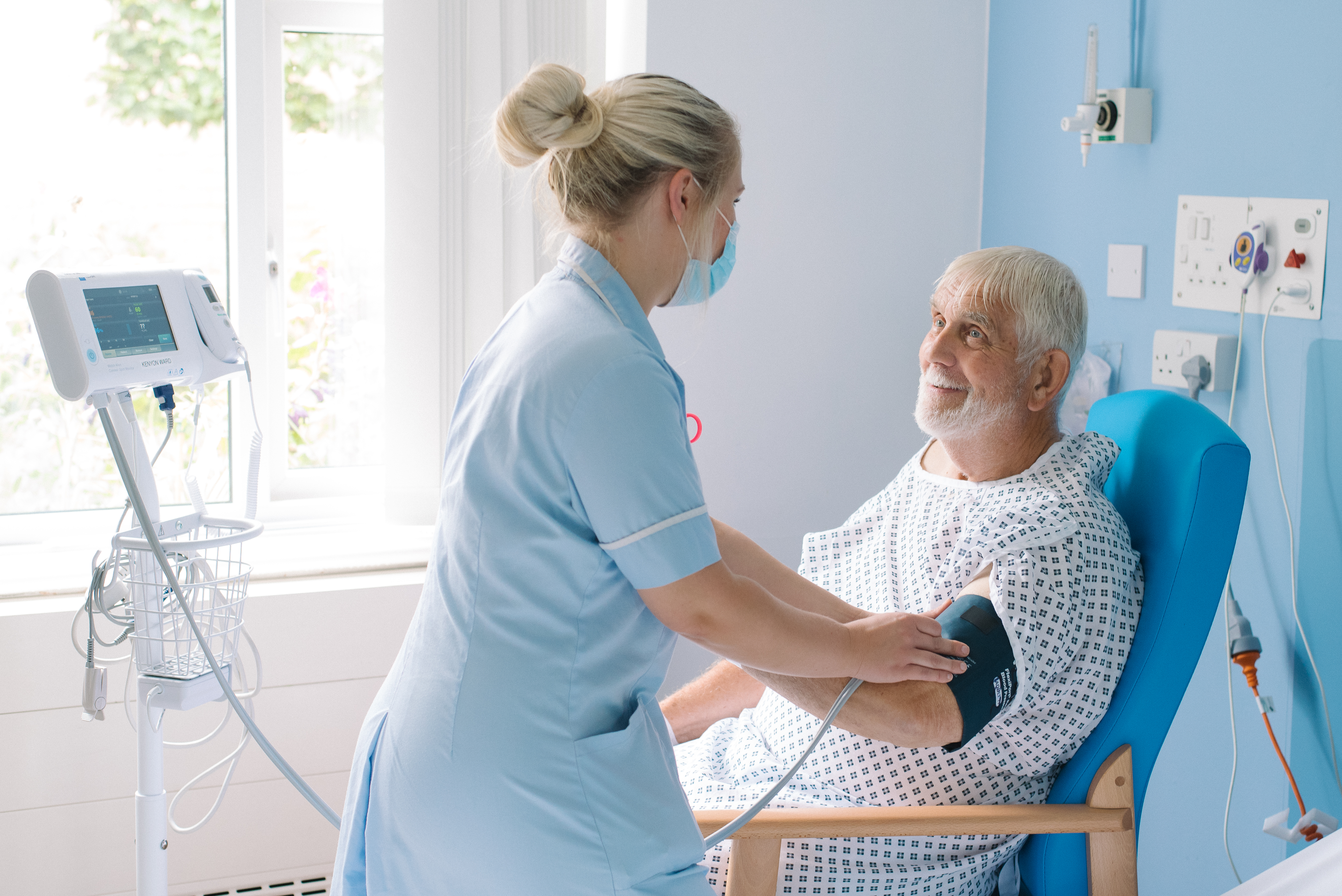
What is adult safeguarding?
Adult safeguarding is about protecting a person’s right to live safely and free from abuse or neglect.
Safeguarding duties may apply where an adult has care and support needs, is experiencing, or is at risk of, abuse or neglect, and may be unable to protect themselves because of those care and support needs.
Abuse can happen anywhere, including at home, in hospital, in a care setting, at work or in the community. It may involve someone the person knows, a family member, a carer, a professional or a stranger.
Types of abuse and neglect
Abuse and neglect may include physical abuse, sexual abuse, psychological or emotional abuse, domestic abuse, financial or material abuse, neglect or acts of omission, discriminatory abuse, organisational abuse, modern slavery, exploitation, coercive or controlling behaviour and self-neglect.
A person may experience more than one type of abuse.
What to do if you are concerned
Please speak to a member of staff if you feel unsafe, someone is hurting, frightening, controlling or exploiting you, you are concerned about the care or treatment you are receiving, you are worried about another adult and/or something has happened that has made you feel uncomfortable or unsafe.
You can speak to the nurse, doctor or healthcare professional caring for you, the nurse in charge or department manager or a member of the RJAH Safeguarding Team. You can ask to speak to someone privately.
You do not need to be certain that abuse or neglect has taken place before sharing a concern. Staff will listen, take your concerns seriously and help you access the right support.
Wherever possible, the adult’s views and wishes will be considered before information is shared or a safeguarding referral is made.
There may be occasions when information needs to be shared without consent, including where someone is in immediate danger, a child or another adult may also be at risk, a serious crime may have been committed, the person may not be able to make the relevant decision for themselves and there is a wider risk to other people.
Immediate danger
Please call 999 if someone is in immediate danger or a crime is taking place. For non-emergency police assistance, call 101.
If you are currently at RJAH, please speak to a member of staff immediately.
Meet the RJAH Safeguarding Team
Named Nurse for Safeguarding Adults & Prevent Lead: Helen Harris
Named Nurse for Safeguarding Children and Young People and Domestic Abuse and Sexual Violence Trust Lead: Edyta Szpila
Adult Safeguarding Practitioner: Rebecca Wright-Powell
Adult Safeguarding Practitioner: Bethan Mallen
Mental Capacity Lead: Dr Paul Hughes
The Safeguarding Team is not an emergency service. Call 999 where there is an immediate risk to life or safety.
You can contact the team at:
Email: rjah.safeguardingadultandchildren@nhs.net
Telephone: 01691 404000, then ask for extension 4459 or 6948
Safeguarding bleep: 128
Please note: any safeguarding referrals made must be made to the local authority safeguarding team where the person usually resides.